Navigating The Election
Use the buttons below to explore the Federal, State, and Municipal contests that will be held during the upcoming 2026 General Election. Each section of this page provides information on the candidates running for each office, what each office does, and more to help you make confident, informed choices at the polls.
Municipal Contests
Cabarrus County – Board of Commissioners (3 Seats)
The Cabarrus County Board of Commissioners serves as the county’s chief administrative and policy‑making authority. The five‑member board is elected at‑large in staggered four‑year terms, meaning all county voters cast ballots for each open seat, regardless of where they live. Together, commissioners determine the county’s strategic direction and make decisions that affect all residents.
Learn more about the Cabarrus County Board of Commissioners here.

James Bailey
Republican
Phil Henry
DemocratLearn More:
phil4cabarrus.org
No response to candidate survey
Election Hub Profile

Thomas Hill
Libertarian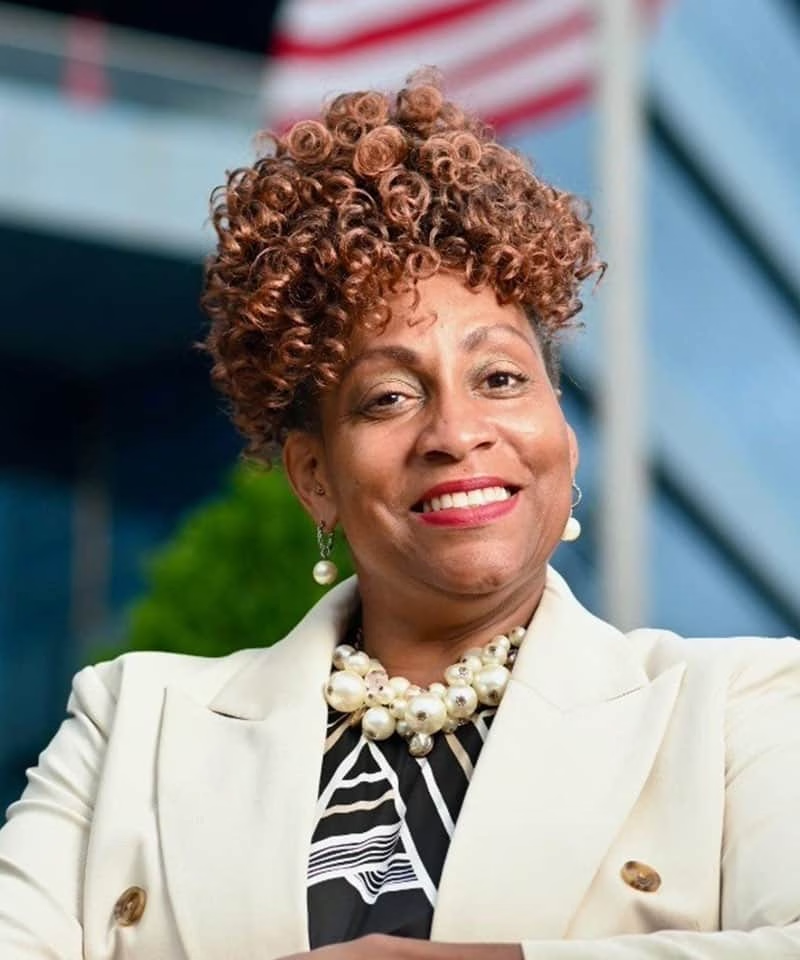
Ingrid Nurse
Democrat
Ian Patrick
Republican
Dan Redding
Democrat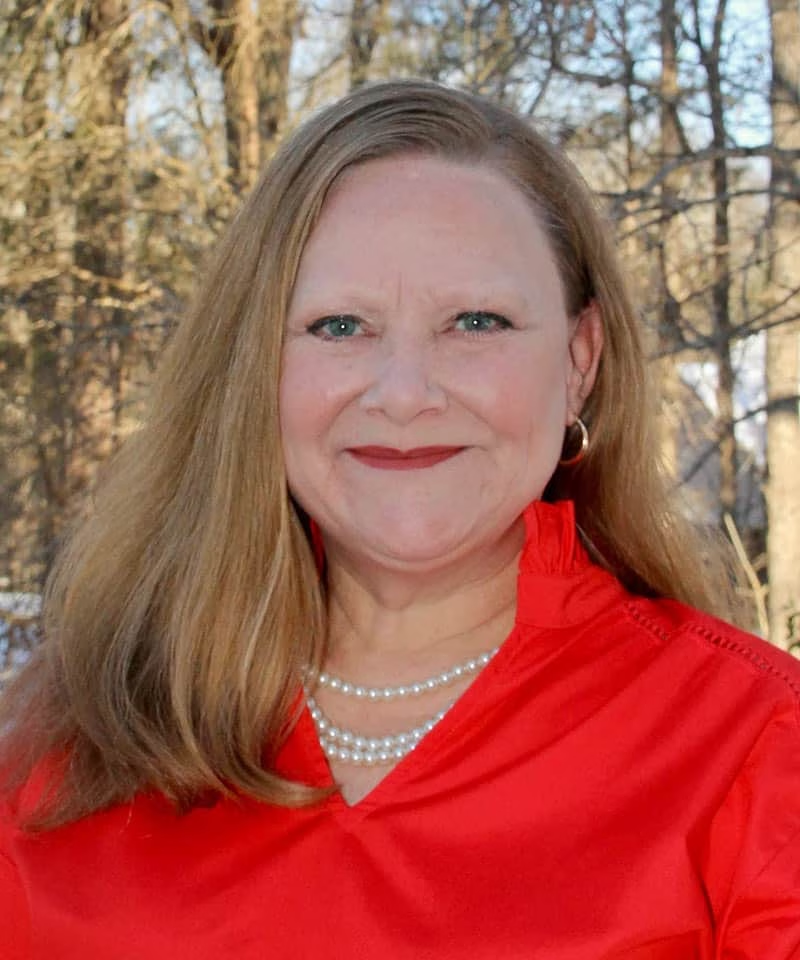
Kristel Swayze
RepublicanCabarrus County – Board of Education (3 Seats)
A Board of Education (or school board) is responsible for establishing the vision and framework for how local public schools operate. While boards shape policy and set priorities, they do not manage schools day-to-day.
Learn more about the Cabarrus County Board of Education here.

William Barbee
RepublicanLearn More:

Pam Escobar
DemocratLearn More:
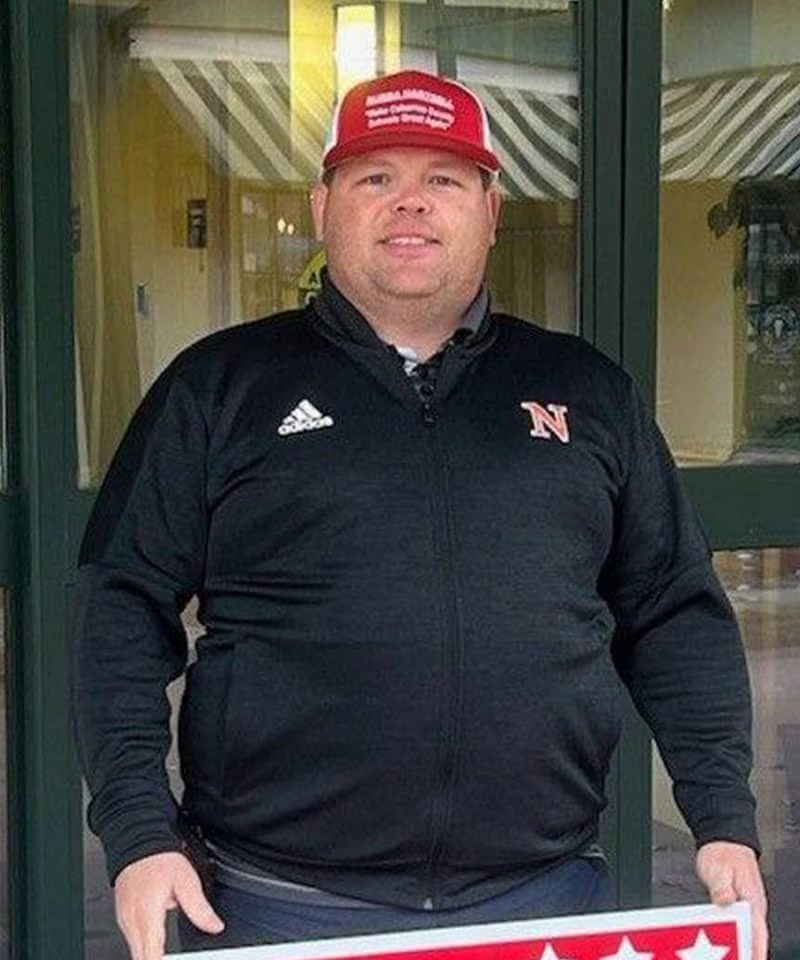
Bubba Hartsell
RepublicanLearn More:
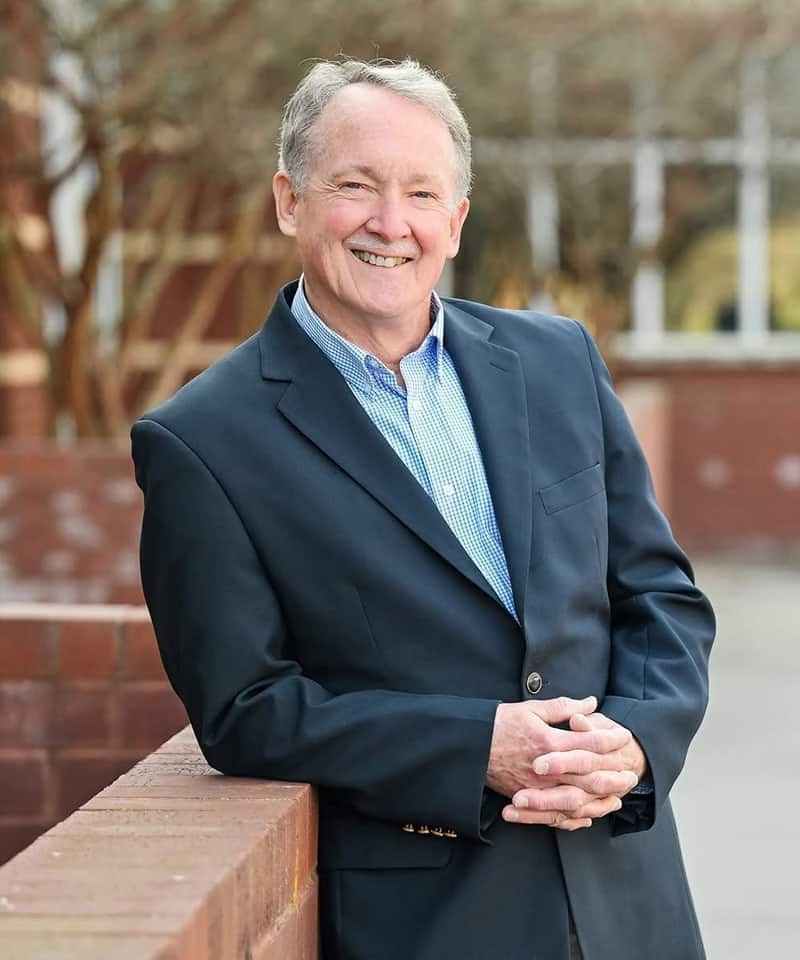
Robert Kirk
RepublicanLearn More:
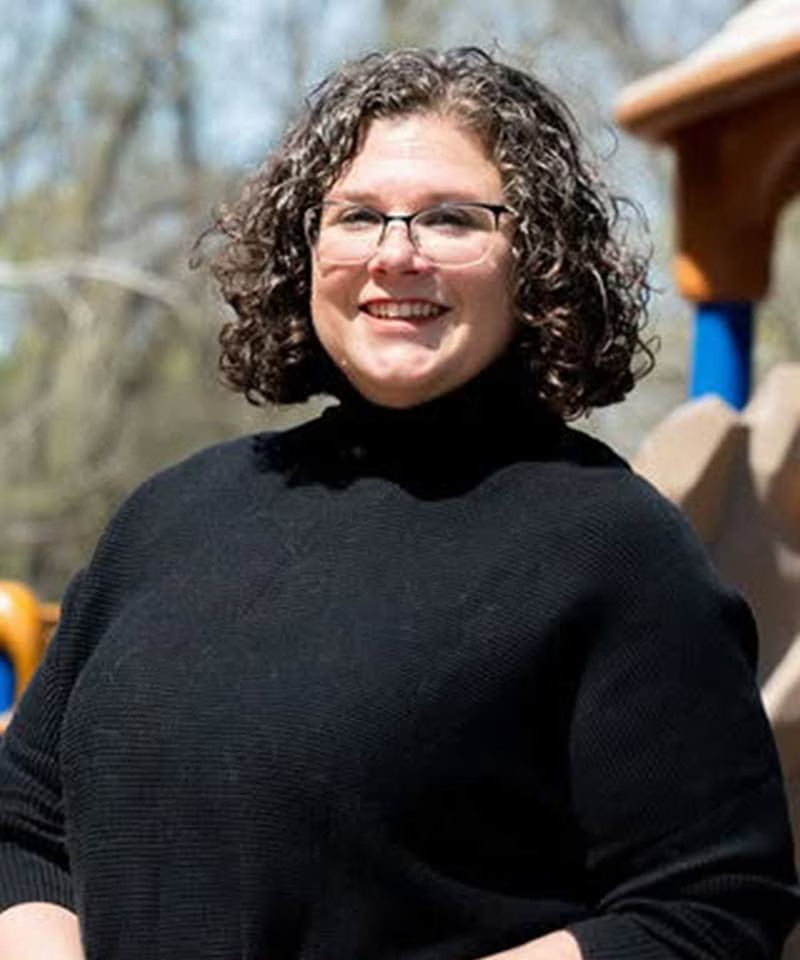
Courtney Steinberg
DemocratLearn More:
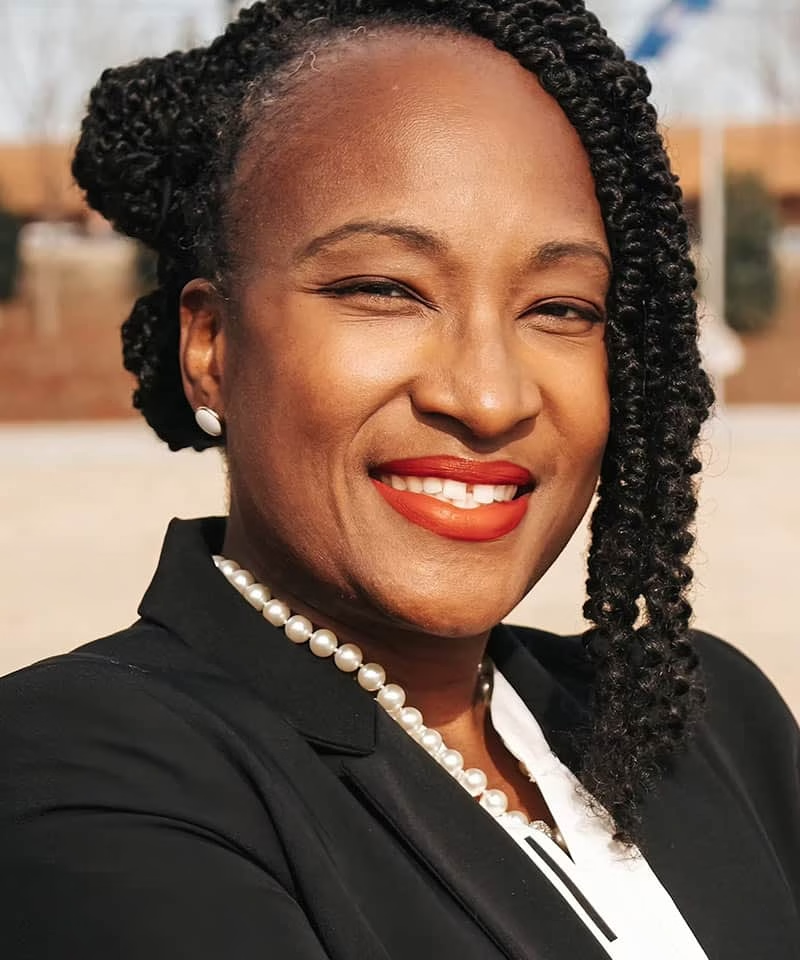
Mishell Williams
DemocratLearn More:
Cabarrus County Bond Referenda
This election, Cabarrus County voters will decide on three separate bond referendums totaling $440 million in proposed borrowing. Below is a breakdown of each measure, what it would fund, and its estimated cost to taxpayers.
$340 Million Bond for Public Education
The largest of the three measures would authorize Cabarrus County to issue $340 million in bonds to construct, renovate, expand, improve, and equip school facilities, including elementary, middle, and high schools throughout the county. The most significant funded project is a full replacement of Central Cabarrus High School.
Including interest, the total repayment cost of this bond over time is projected to reach about $530 million for property owners; that translates to an estimated tax increase of $42.50 per $100,000 of assessed property value.
Support for the bond comes largely from county commissioners and the local business community, who point to the link between strong public schools and the county’s ability to attract and retain private employers. While no organized opposition campaign has formed against the measure, tax-increase measures typically draw some level of individual opposition.
$60 Million Bond for Rowan-Cabarrus Community College
A second, smaller referendum asks voters to approve $60 million in bonds to construct, renovate, expand, improve, and equip facilities for Rowan-Cabarrus Community College (RCCC). The college’s identified facility needs exceed the amount this bond would cover.
Including interest, the projected total repayment cost is estimated at $94 million, with an expected tax impact of $7.50 per $100,000 of assessed property value.
As with the education bond, county commissioners and business leaders support this measure, citing the connection between local workforce training and the county’s broader economic development goals. No formal opposition campaign has emerged, though the measure may still face resistance from residents wary of tax increases.
$40 Million Parks Bond for Kannapolis
Kannapolis voters will decide on a $40 million bond for parks and recreation. The funding would support new park construction, expansion of an existing greenway, and additional recreational amenities such as athletic fields and playgrounds. Specific projects include Eastside Park, Westside Park, greenway extensions, and the Gem Theatre.
With interest factored in, the total projected repayment cost is approximately $62 million, and the estimated tax impact on Kannapolis property owners is $46 per $100,000 of assessed property value.
City council members and the local business community support the measure, tying investment in parks and recreation to the city’s broader appeal as a place to live, work, and do business. As with the county bonds, no coordinated opposition has formed, though individual opposition to tax increases is common with measures like this.
Cabarrus Soil and Water Conservation District Supervisor (2 Seats)
Ninety-five North Carolina counties have a Soil and Water Conservation District, each governed by a five-member board with three elected seats staggered across two election cycles. Two of those three seats are up for election this cycle. The two candidates are unopposed incumbents running in this nonpartisan race; party affiliation won’t appear on the ballot.
Cabarrus County Legal-Related Government Roles
In the 2026 General Election, voters will cast ballots for several key local offices, including county sheriff, district attorney, clerk of court, and both district and superior court judgeships.
Learn more about the positions and candidates by clicking on the buttons below.
State Contests
NC Senate – District 34 (1 Seat)
The North Carolina General Assembly is responsible for creating state laws, setting tax policy, and passing the state budget. It’s made up of two chambers: the North Carolina House of Representatives and the North Carolina Senate, much like Congress at the federal level. Together, they deliberate, debate, and pass laws that affect every North Carolinian.
The majority of Cabarrus County is located within North Carolina’s State Senate District 34.

April Cook
DemocratLearn More:
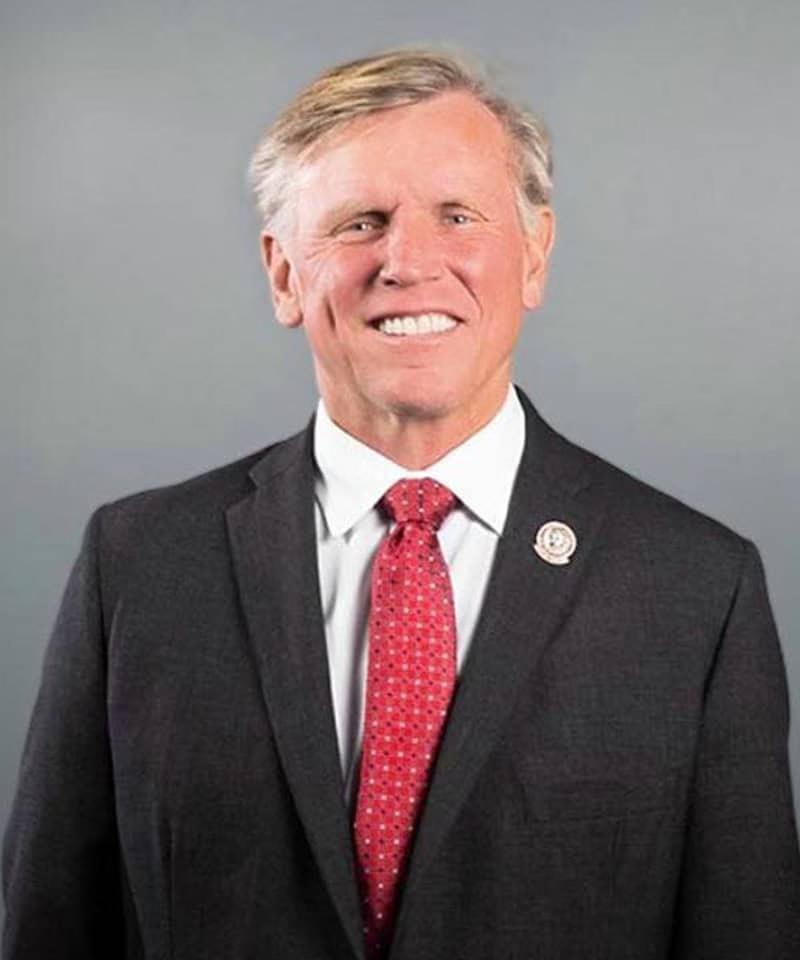
Kevin Crutchfield
RepublicanLearn More:
NC Senate – District 35 (1 Seat)
The North Carolina General Assembly is responsible for creating state laws, setting tax policy, and passing the state budget. It’s made up of two chambers: the North Carolina House of Representatives and the North Carolina Senate, much like Congress at the federal level. Together, they deliberate, debate, and pass laws that affect every North Carolinian.
The southern tip of Cabarrus County is located within North Carolina’s State Senate District 35.

Todd Johnson
RepublicanLearn More:
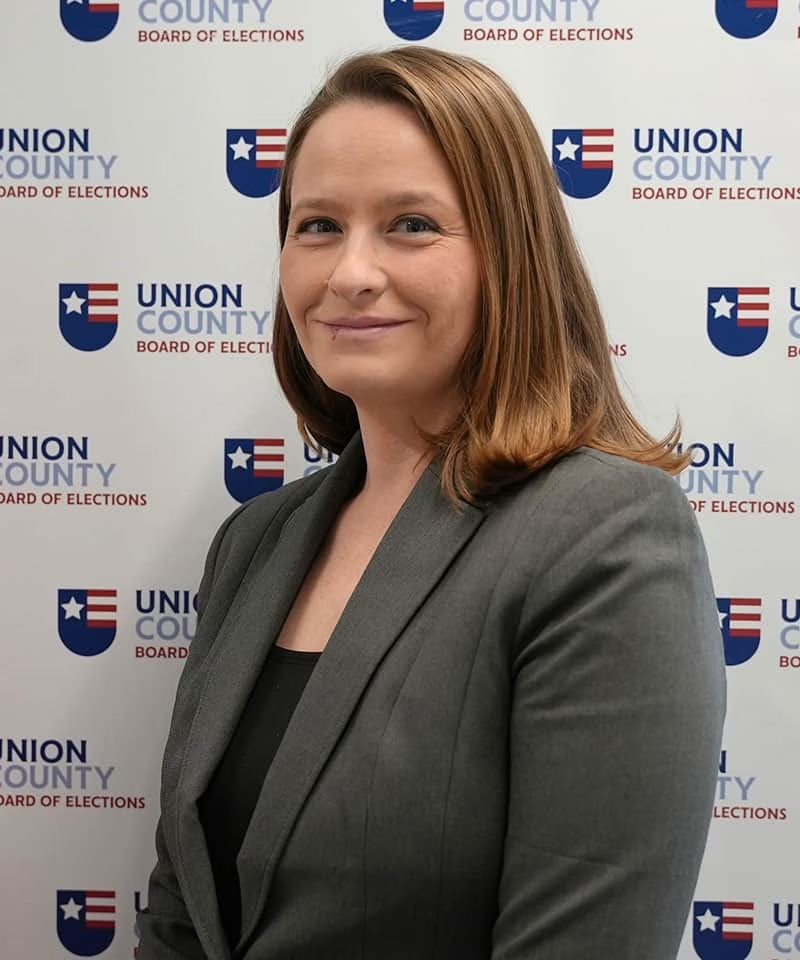
Christine Winward
DemocratLearn More:
NC House of Representatives – District 73 (1 Seat)
The North Carolina General Assembly is responsible for creating state laws, setting tax policy, and passing the state budget. It’s made up of two chambers: the North Carolina House of Representatives and the North Carolina Senate, much like Congress at the federal level. Together, they deliberate, debate, and pass laws that affect every North Carolinian.
North Carolina State House District 73 includes the northeastern and central areas of Cabarrus County.
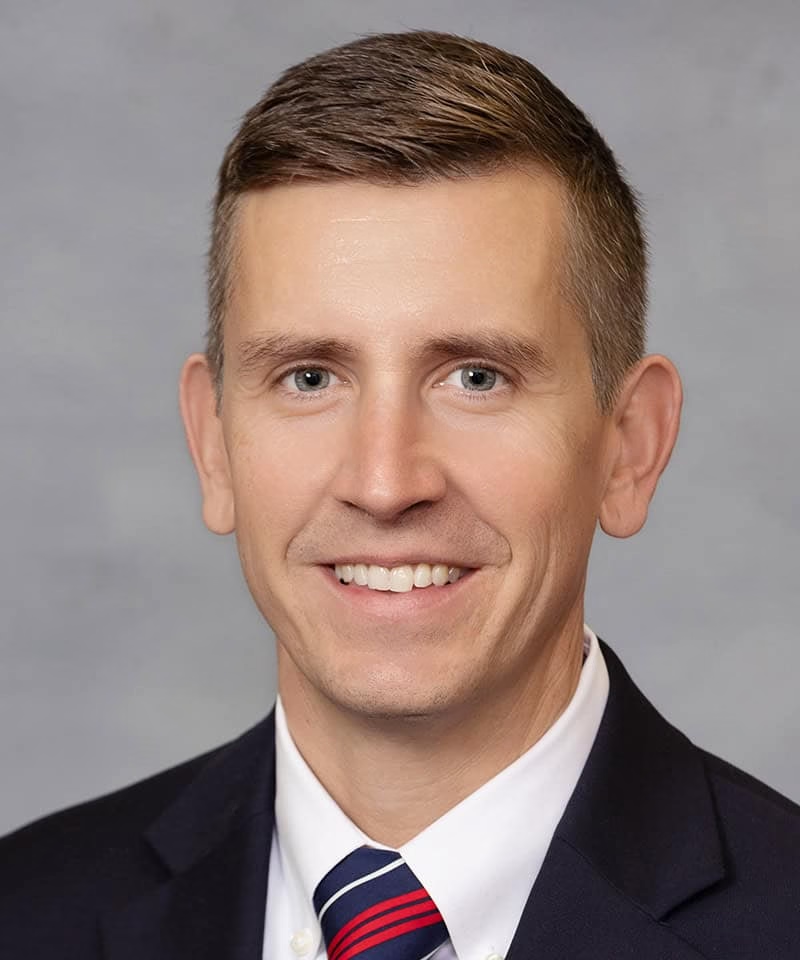
Jonathan Almond
RepublicanLearn More:

Thomas Monks
DemocratLearn More:
NC House of Representatives – District 82 (1 Seat)
The North Carolina General Assembly is responsible for creating state laws, setting tax policy, and passing the state budget. It’s made up of two chambers: the North Carolina House of Representatives and the North Carolina Senate, much like Congress at the federal level. Together, they deliberate, debate, and pass laws that affect every North Carolinian.
North Carolina State House District 82 includes the eastern, southern, and western areas of Cabarrus County. It forms a “U” around District 73.

Chris Bishopp
DemocratLearn More:
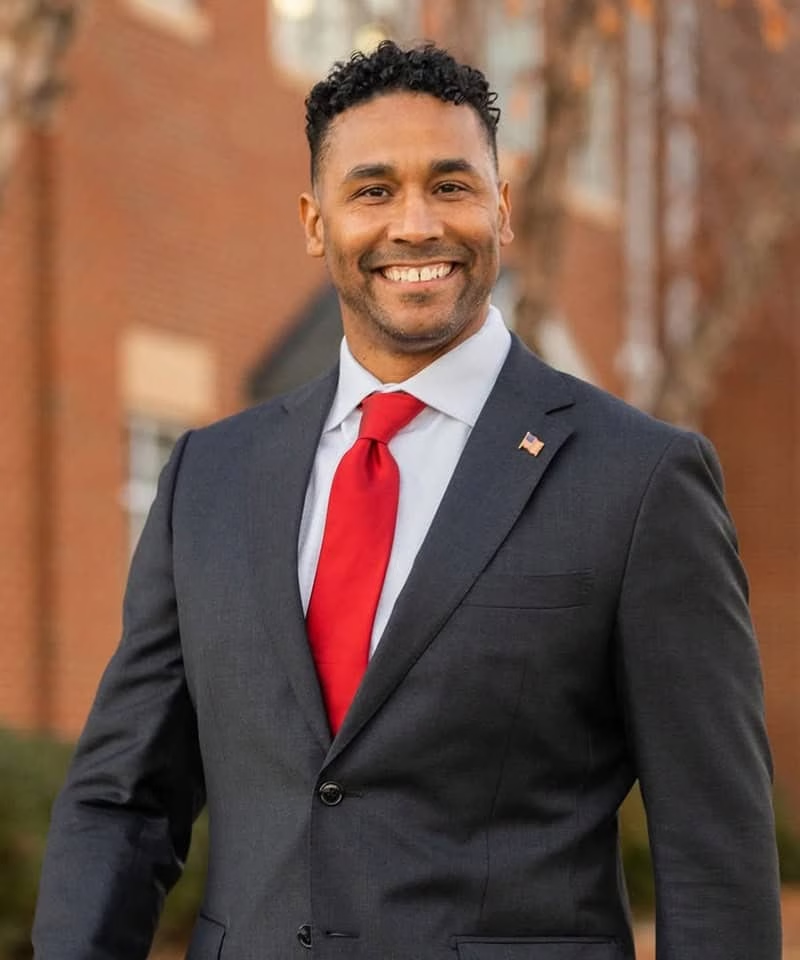
Brian Echevarria
RepublicanLearn More:
NC House of Representatives – District 83 (1 Seat)
The North Carolina General Assembly is responsible for creating state laws, setting tax policy, and passing the state budget. It’s made up of two chambers: the North Carolina House of Representatives and the North Carolina Senate, much like Congress at the federal level. Together, they deliberate, debate, and pass laws that affect every North Carolinian.
North Carolina State House District 83 includes the northwestern corner of Cabarrus County.
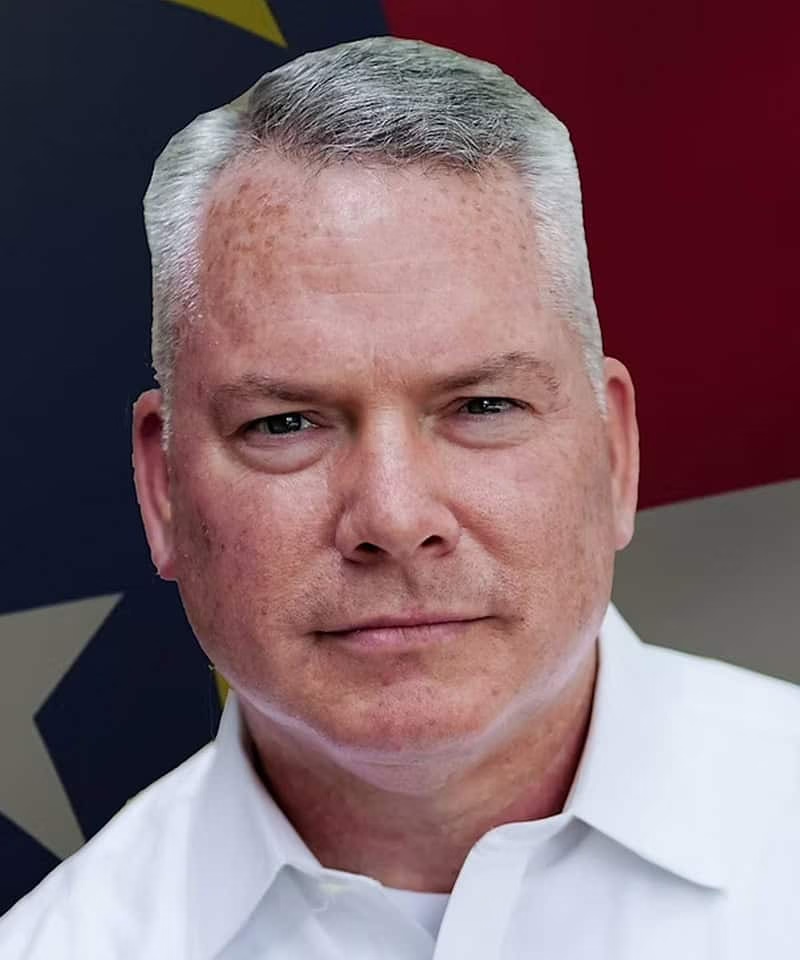
Grant Campbell
RepublicanLearn More:

Johnnie Jones
DemocratLearn More:
Statewide Referenda
This November, North Carolina voters will weigh in on three proposed amendments to the state constitution. Two of the measures would place new limits on state income tax rates and the amount of property tax local governments can collect, while the third would strengthen the state’s photo ID requirements for voting.
Placing constitutional amendments on the ballot requires a three-fifths supermajority vote in both the state House and Senate, a threshold the General Assembly met for all three measures. Support for the amendments came almost entirely from Republican lawmakers, while Democrats largely opposed them. Because constitutional amendments follow a different process than standard legislation, the governor has no authority to veto them, leaving the final decision entirely in voters’ hands.
- Photo ID requirement
Ballot language: “Constitutional amendment to require all voters, not just those presenting to vote in person, to present photo identification before voting.” - State income tax limit
Ballot language: “Constitutional amendment to keep the State income tax rate from being raised higher than three and one-half percent (3.5%).” - Local property tax limits
Ballot language: “Constitutional amendment requiring limits on property tax increases by local governments.”
Statewide Judicial Offices
Judges on North Carolina’s Supreme Court and Court of Appeals serve eight-year terms, staggered so that only a portion of each court’s seats come up for election at any given time. In 2026, one of the state Supreme Court’s seven seats and three of the Court of Appeals’ 15 seats will be on the ballot. All four races will appear below for North Carolina voters.
Learn more about the positions and candidates by clicking on the buttons below.
Federal Contests
U.S. Senate (1 Seat)
The U.S. Senate is one of the two chambers of Congress, alongside the House of Representatives. Together, they make up the legislative branch of government, responsible for writing and passing federal laws. Each State, no matter its size, elects two senators who serve six‑year terms, with elections staggered so only about one‑third of the Senate seats are up for election every two years.

Shannon W. Bray
LibertarianLearn More:
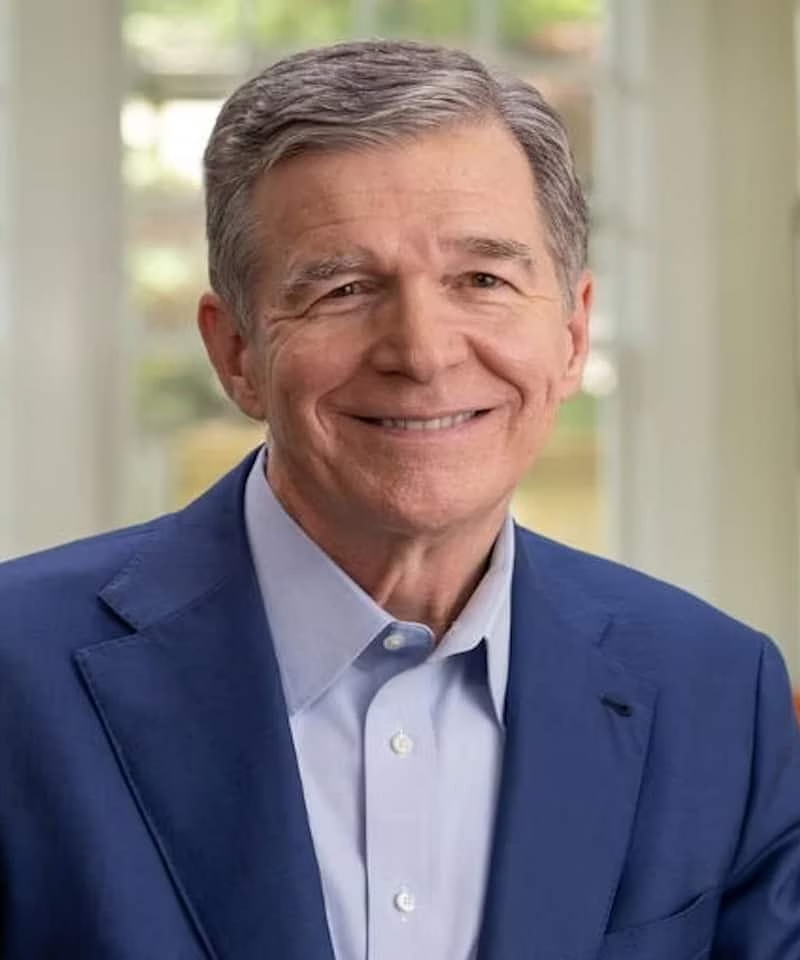
Roy Cooper
DemocratLearn More:

Michael Dublin
GreenLearn More:
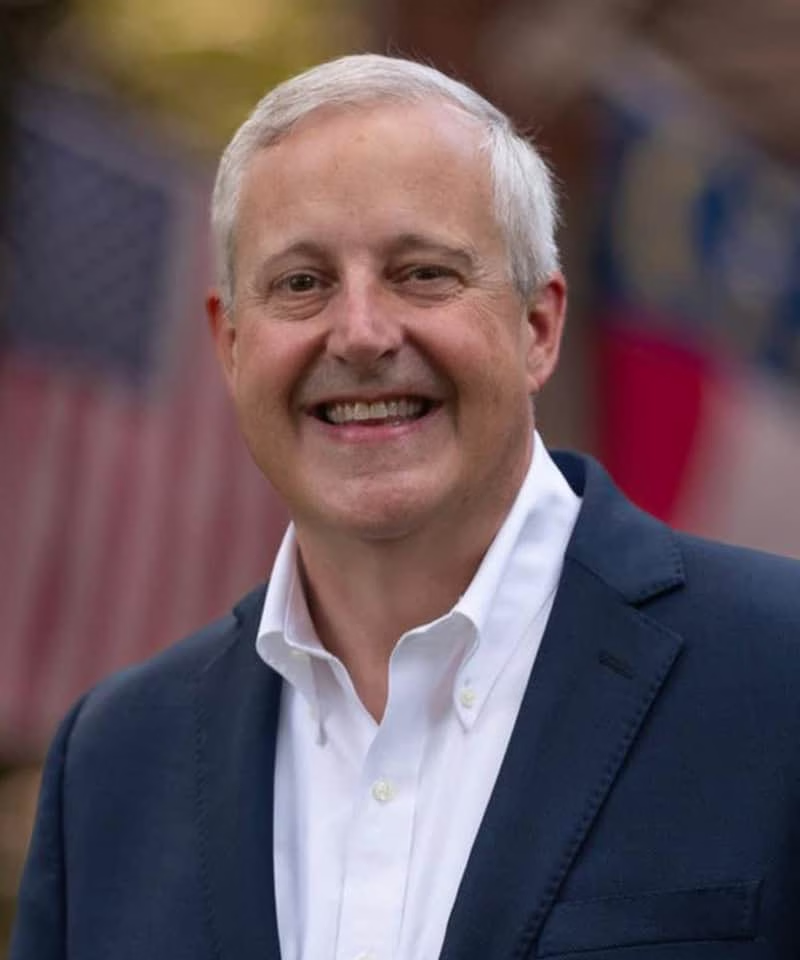
Michael Whatley
RepublicanLearn More:
U.S. House of Representatives – NC District 8 (1 Seat)
The U.S. House of Representatives, often referred to simply as “the House” or, collectively with the Senate, as Congress, is one of the two chambers of the federal legislature. It was designed to provide representation based on population, ensuring that every American has a voice in the creation of national laws.
The majority of Cabarrus County is located within North Carolina’s 8th Congressional District.

Mark Harris
RepublicanLearn More:
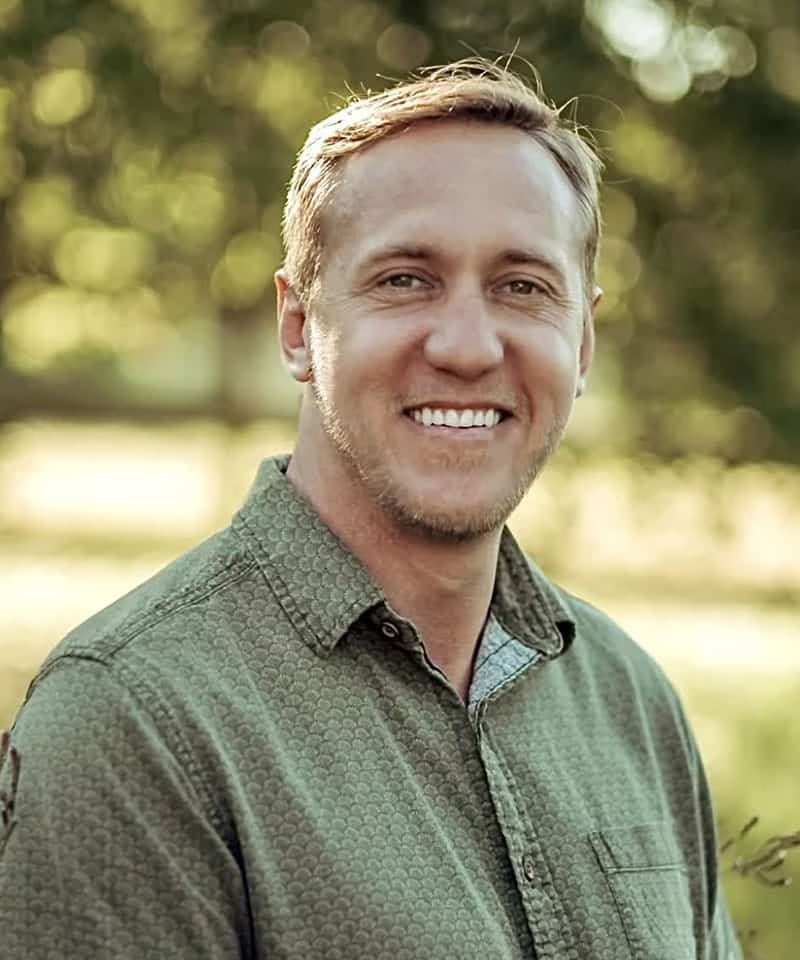
Colby Watson
DemocratLearn More:

Bo Whitehead
GreenLearn More:
U.S. House of Representatives – NC District 6 (1 Seat)
The U.S. House of Representatives, often referred to simply as “the House” or, collectively with the Senate, as Congress, is one of the two chambers of the federal legislature. It was designed to provide representation based on population, ensuring that every American has a voice in the creation of national laws.
The northwestern portion of Cabarrus County is located within North Carolina’s 6th Congressional District.

Cyril Jefferson
DemocratLearn More:

Addison McDowell
RepublicanLearn More:
Learn more about how elections work, who’s running, and what each elected office does.